
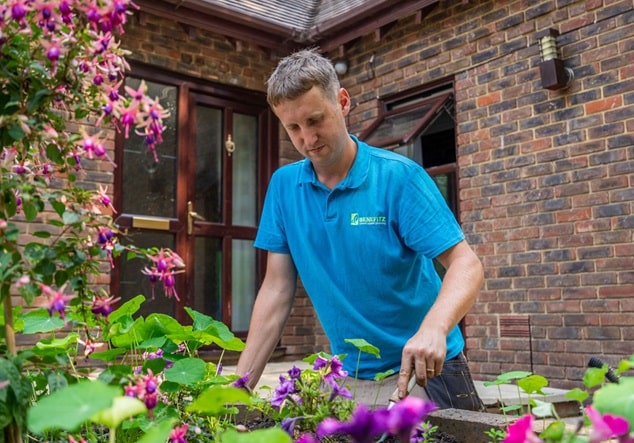
Planting a garden from scratch can be a fun project for gardeners of all abilities but it requires a certain level of knowledge, planning, and thought. For help or advice with planting in your garden, get in touch with us today.
Before you go ahead with planting, it’s best to understand what type of soil you have.
Understanding your soil type
Before you start planting, you should examine the consistency of your soil by rolling it in your fingers. Soil can range from sticky, muddy, and clay-like soil to sandy, crumbly soil. If your soil is somewhere between the two, then it’s ideal for growing a wide range of plants.
My soil is wet and clay-like – what can I plant?
If your soil is heavy and clay-like, digging will be hard work. We recommend that you add plenty of well-rotted manure or high-quality compost to improve its structure and add essential nutrients for plant life. There are lots of plants well suited to clay-like soil, such as Roses, Fuchsias, Foxgloves, Hydrangea, Dogwood, and Persicaria.
My soil is dry and sandy – what can I plant?
If your soil is more of a sandy, crumbly, and dry nature then digging will be much easier but growing may be more of a challenge. Again, it’s wise to add extra organic matter such as compost or well-rotted manure, but we also recommend digging over the soil and raking it well to remove weeds and stones. Once you have treated your soil, you can plant a wide range of species that will thrive in these conditions. Plants that are well suited to crumbly, dry, sandy-like soil include Lavender, Rosemary, Thyme, Iris, Yucca, Succulents, Cacti, and Ornamental grasses.
For more planting advice for your garden, get in touch with us today.